Mold Found? Start With a Plan
Mold shows up as a musty smell, fuzzy patches, or dark spots on walls, ceilings and basement corners. If you see it, you need a plan, not guesswork.
Episodeopens Mold Help is a referral service. We do not inspect, test or remove mold ourselves. We connect homeowners in Tinton Falls and the Tinton Falls area with independent local providers who do that work.
Here is the short version of how it works:
- You send a request or make a call.
- We match your job to a provider in our network.
- The provider contacts you, inspects, and gives a written quote.
- You decide. There is no obligation.
Request Help
Prefer to talk first? Request a callback to check provider availability. Hours vary by provider, so the request form is often the easier route.
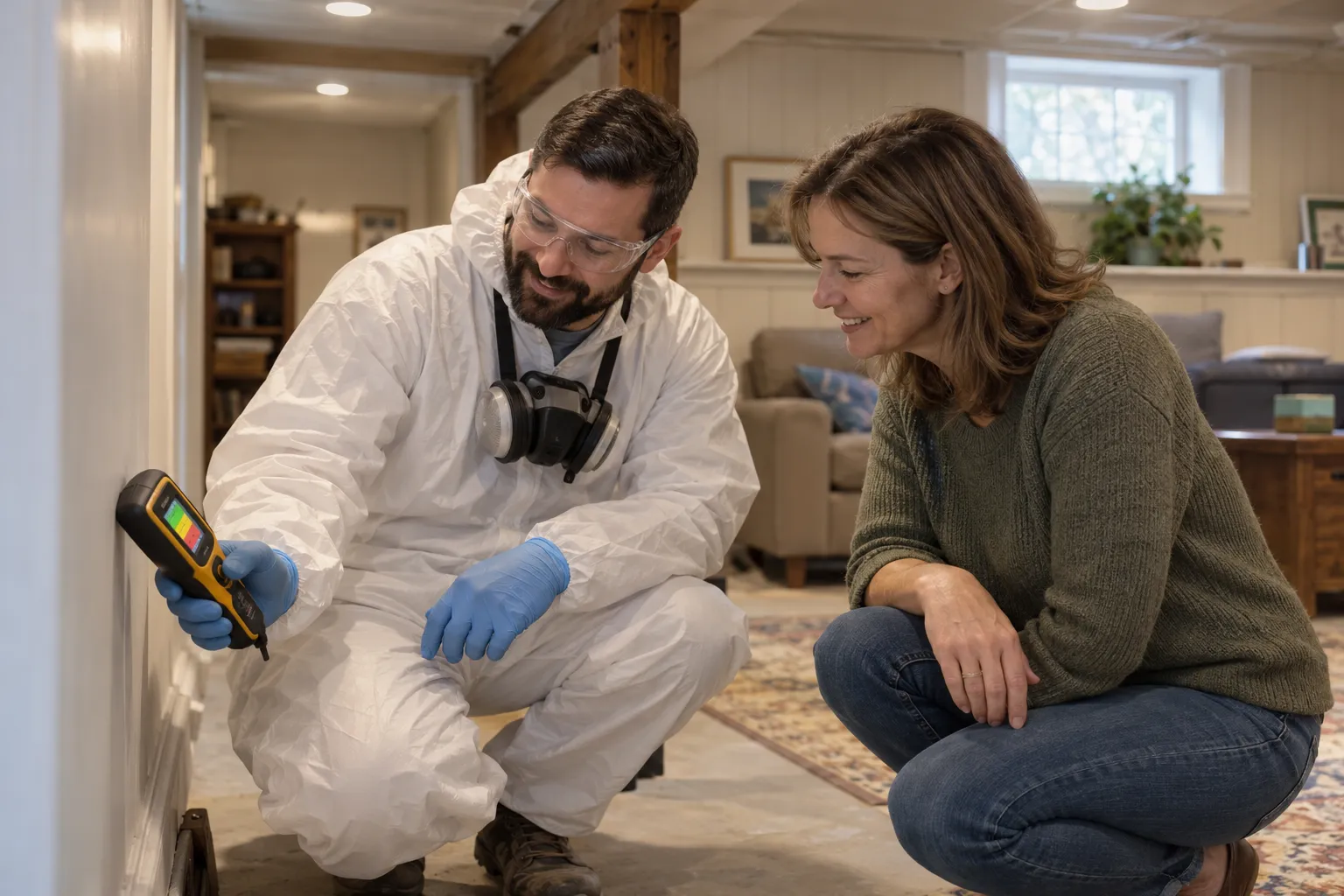
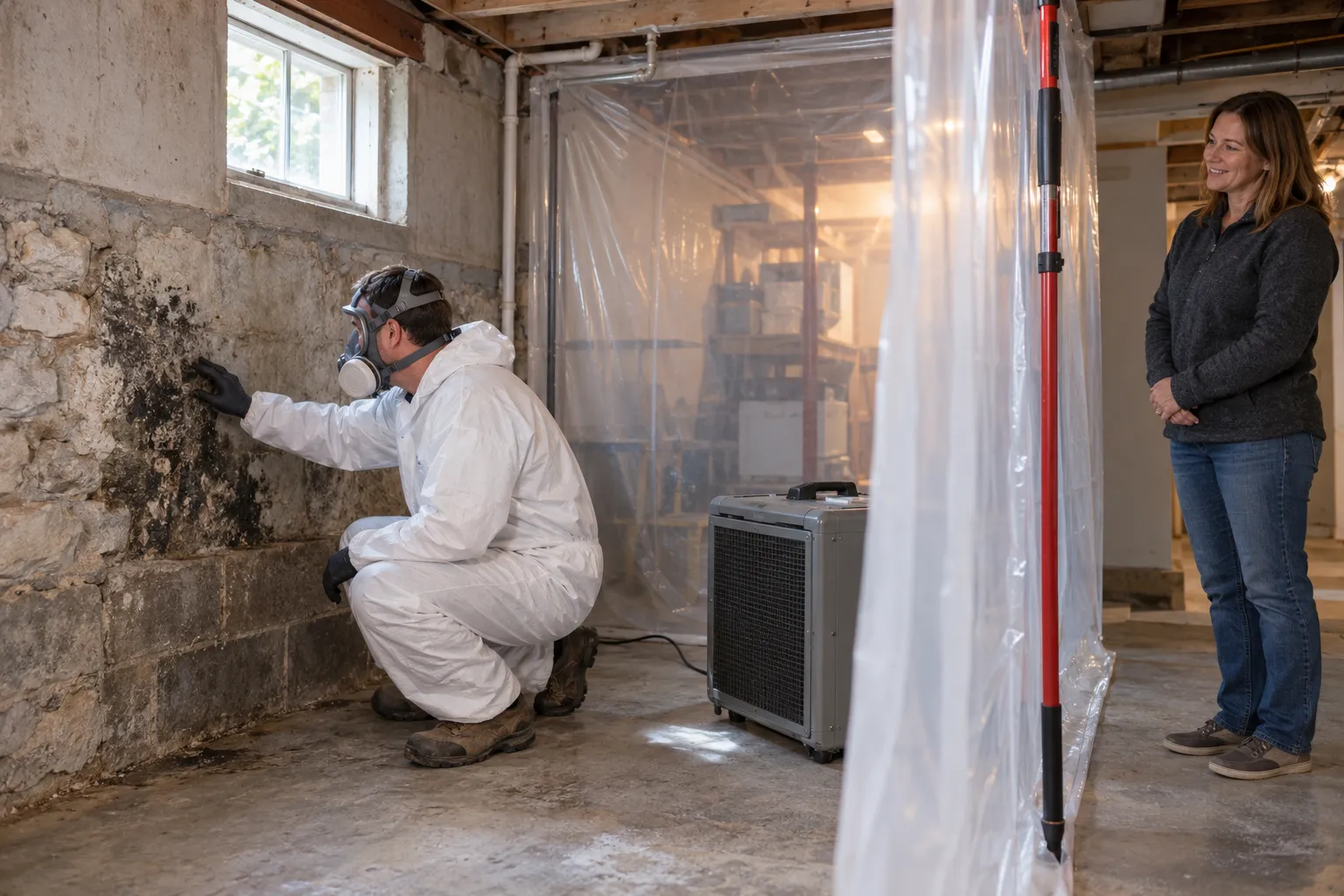
Most homes need one of three things. Mold remediation cleans up growth and fixes the cause. An inspection and testing visit finds out what is growing and where. Black mold removal applies when dark growth has spread over a larger area. A provider can tell you which fits your home.
How It Works
Who this site is, and who it is not
Episodeopens Mold Help is a referral service. That is all. It does not do mold work itself, it does not hold a license for mold work, and it does not set your price. The providers in our network are independent businesses. Each one sets its own schedule, methods and fees.
How your request is routed
You describe the problem: where the mold is, how big the area looks, and whether there was a leak or flood. That info is used to match you with a local provider that handles your type of job. Request a callback to reach the referral line and ask about provider availability. Hours vary by provider, so the request form is a reliable backup.
The provider then contacts you directly. From that point, the agreement is between you and the provider.
Built for busy households
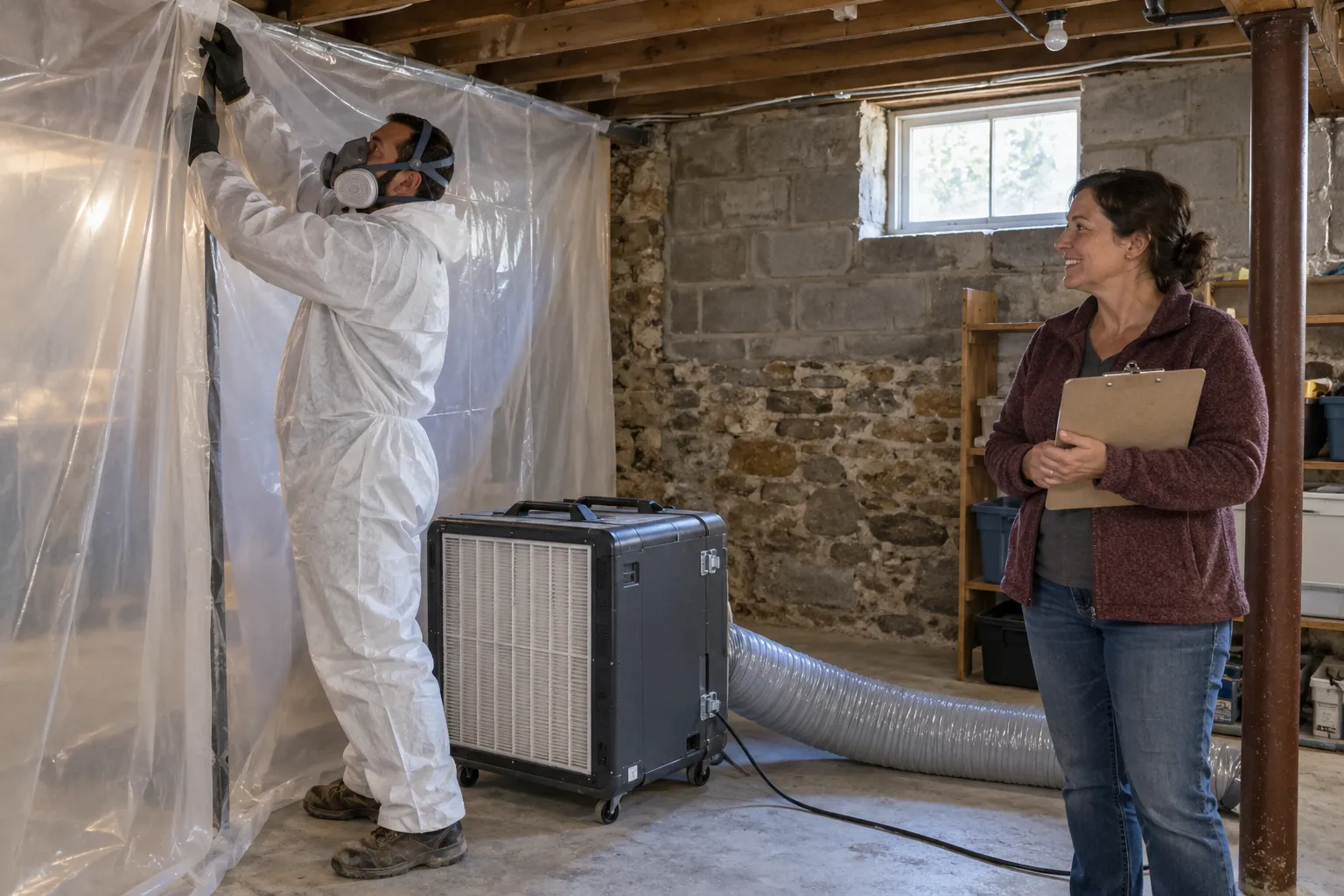
Mold work should not take over your week. Ask each provider how long the visit takes, which rooms need to be cleared, and whether work can be scheduled around school runs and jobs. Many providers can respond quickly, and most will explain containment so dust and spores stay out of living areas.
You get a written quote first. Compare it, ask questions, and move forward only if it suits you.
Homes We Connect You To
Mold in this region follows the weather. Cold, snowy winters, repeated thaw cycles, spring snowmelt and coastal storms push moisture into houses. Older housing stock makes it easier for that water to find a way in.
Providers in our network see the same patterns again and again. Full basements with stone or block foundations hold dampness. Cape Cod style homes can trap humid air in knee walls and attics. Multi-family buildings can pass moisture from one unit to the next.
If your home fits any of these, you are not alone, and the problem is usually fixable. A local provider knows these building types and can inspect for hidden growth.
Request Help
We serve Tinton Falls and the Tinton Falls area. Not sure your address is covered? Request a callback to check provider availability near you.
Local Mold Questions, Answered Briefly
Signs you may have mold
Look for a musty odor, discolored patches, peeling paint, and damp or warped drywall. Allergy-like symptoms that ease when you leave home can also be a clue. None of these confirms mold alone. An inspection does.
Why basements are the usual starting point
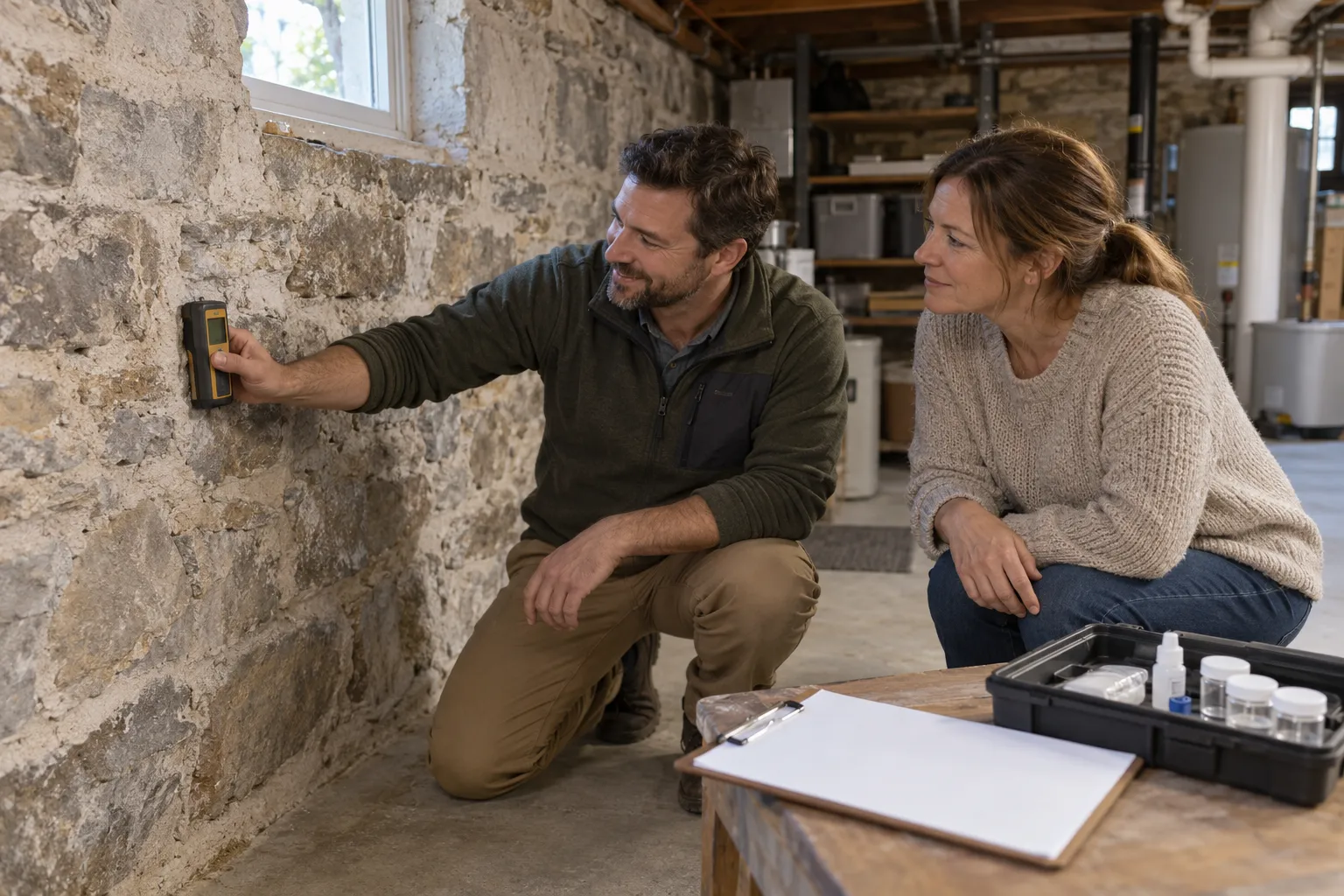
Full basements with stone or block walls stay cool and damp. Moisture seeps through porous material, then settles behind stored boxes and finished walls. Check corners and the base of walls first.
Snowmelt and thaw cycles
In spring, melting snow loads the soil around your foundation. Repeated winter thaw can open small cracks. Water enters slowly, and mold grows quietly.
Coastal storms and wind-driven rain
Storms can push water past siding, windows and roof edges. Wet insulation may hide growth for weeks. Dry affected areas quickly and ask a provider to check.
Inspection and testing
An inspection looks for moisture sources and visible growth. Testing, such as air or surface samples, shows what type and how much. Ask any provider about certified mold testing and what credentials they hold. Typical U.S. ranges run from a few hundred dollars to over a thousand, depending on home size and sample count.
Remediation and black mold removal
Remediation means containing the area, removing contaminated material, cleaning, and fixing the moisture source. Typical U.S. costs vary widely, often from a few thousand dollars for small jobs to much more for large ones. Black mold removal follows the same steps, with extra care for bigger areas. Always get a written quote.
Insurance questions
Some policies may cover sudden damage, such as a burst pipe. Slow leaks are often treated differently. Check your policy, and know that providers can often help document damage for a claim.
Preparing for a visit
Clear access to the affected area. Note when you first noticed the problem. Keep pets out of the room. Write down your questions in advance.
Keeping mold from returning
Run a dehumidifier in damp spaces. Keep indoor humidity below about 50 percent. Fix leaks early, and clean gutters before winter.
Request an Estimate
Ready to move forward? Send a short description of the problem and your general location. A local provider in our network will follow up with next steps and a written quote.
Request Help
If you would rather talk it through, Request a callback to check provider availability. Calls are routed to a provider based on your location and the type of job.